Posts

Showing posts with the label #HerniaSurgery

How Inguinal Hernia Surgery can save you from pain and discomfort?

Image
Causes of Inguinal Hernia An  Inguinal Hernia  is common and usually has no apparent cause. But there are some particular factors that are believed to be contributing towards Inguinal Hernia which can be fixed by Inguinal Hernia surgery: Males are more prone to having an Inguinal Hernia than females. Older people are also more at risk of having an Inguinal Hernia, as in old age, muscles weaken and need of Inguinal Hernia Surgery is there Being white also contributes to having an Inguinal Hernia and Inguinal Hernia Surgery is needed. Chronic cough can also cause an Inguinal Hernia, such as from smoking. Chronic constipation can also lead to having an Inguinal Hernia as it causes straining during your bowel moments and Inguinal Hernia surgery can fix that. Being pregnant can also lead you to have an Inguinal Hernia as pregnancy can weaken the abdomen muscles and will increase the pressure inside the abdomen. ...
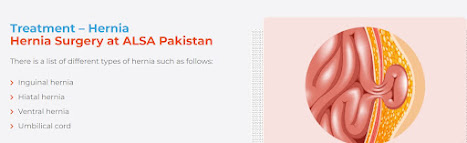
Troubling signs and symptoms of Inguinal Hernia

Image
Following are the signs and symptoms of  Inguinal Hernia : Nausea, Vomiting, and Diarrhea Fever A sudden pain that keeps on increasing Inguinal Hernia bulge that turns red, purple, or dark should be surgically removed. Inguinal Hernia also causes it very difficult to move your bowels or pass gas. Some Inguinal Hernias have no visible and apparent cause but can happen due to the following reasons: Some Inguinal Hernias have no apparent cause. Others might occur as a result of: Increased pressure in the abdomen can cause an  Inguinal Hernia . A previous weak spot in the abdominal wall can also cause an Inguinal Hernia and can make you get an Inguinal Hernia again. Straining during the bowel movements or during urination also because of the pressure on the abdominal and can protrude Inguinal Hernia. Strenuous activity can also cause an Inguinal Hernia as it puts pressure on the abdominal cavity. Pregnancy can cause an Inguinal Hernia Ch...

EVERYTHING YOU NEED TO KNOW ABOUT ABDOMINAL HERNIA SURGERY

Image
  What is an abdominal hernia? An  Abdominal Hernia  occurs when an organ pushes through a gap in the muscle or tissue that holds it in place. The intestines, for example, could break through a weak spot in the abdominal wall. Hernias most commonly develop between the chest and hips. However, they can also occur in the upper thigh and groin. Types of Hernia There are several different types of Abdominal Hernias. We’ll look at a few of the more prevalent ones below. 1.      Inguinal hernia 2.      Femoral hernia 3.      Hiatal hernia 4.      Umbilical hernia 5.      Incisional hernia 6.      Epigastric hernia For Further Reading:  https://alsapakistan.com/articles/everything-you-need-to-know-about-abdominal-hernia-surgery/  

Looking for Inguinal Hernia Repair | Here is a Complete Guide

Image
  What is an inguinal hernia? An  Inguinal Hernia  is a form of hernia that develops around the groin in the abdomen. Intestinal or fatty tissues push through a weakness in the abdominal wall around the right or left of the inguinal canal, causing them to protrude. Each inguinal canal is located near the base of the abdomen. Inguinal canals exist in both males and women. The testes usually descend into the canal of the testes in men a few weeks before birth. Each canal serves as a passageway for the uterus’s round ligament in women. A bulging bulge occurs if you have a hernia in or near this tube. During movement, it may be painful. Because this form of hernia is often minor and doesn’t create any symptoms, many people don’t seek treatment. However, prompt treatment can help to prevent future protrusion and discomfort. Types of inguinal hernias Inguinal hernias can be indirect or direct, incarcerated, or strangulated. Indirect inguinal hernia The most preval...

Recovery Time From Laparoscopic Groin or Hernia Repair is Short

Image
Table of Context: 1.       Laparoscopic Groin or Inguinal Hernia Repair 2.       General Procedure 3.       Laparoscopic Hernia Repair is Feasible Alternative to Open Hernia Repair 4.       Benefits of Laparoscopic Groin or Hernia Repair 5.       When Do I Need Laparoscopic Groin or Hernia Repair? 6.       Inconveniences after the Laparoscopic Groin or Hernia Repair 7.       Laparoscopic Groin or Hernia Repair at ALSA   A hernia is an unusual medical condition in which fatty tissues or other organs are pushed through a minute spot in the surrounding connective tissues or muscular walls. This abnormal condition of hernia does not heal on its own. Instead, they may tend to grow in size. If not treated timely, it may result in severe life-threatening consequences. But it does not need immediate ...